

Solid Gold Or Vermeil? U.S. FTC 2.5 Micron Rule And When To Buy
Choose solid gold if you want a piece that lasts a lifetime, holds resale value, and never needs replating. Choose vermeil if you want a fine-gold look at a fraction of the cost and are willing to follow a few care rules. Both are legitimate options as long as the vermeil meets the FTC’s legal standard: sterling silver underneath, at least 10K gold, at least 2.5 microns thick.
TL;DR:
- Vermeil must have a sterling silver base, at least 10K gold, and a minimum gold layer thickness of 2.5 microns to meet legal standards.
- The lifespan of vermeil jewelry depends heavily on wear habits, with daily wear reducing its gold layer significantly within a few years.
- Replating vermeil is normal and affordable, but frequent need for it indicates that upgrading to solid gold might be more cost-effective long-term.
- Higher karat gold offers richer color but is softer and more prone to scratching, while thickness of the gold layer determines durability regardless of karat.
- Proper care, such as removing jewelry before water and chemicals, can extend vermeil’s wear life, but it will always require more maintenance than solid gold.
Table of Contents
- How Vermeil, Gold Plated, Gold Filled, and Solid Gold Are Built
- What Does the FTC Legally Require Vermeil to Be?
- How Does Karat Affect Color, Softness, and Wear?
- How Long Does Vermeil Actually Last Compared to Solid Gold?
- Is Vermeil Worth It, or Should You Buy Solid Gold?
- How Should You Clean and Store Each Material?
- What Should You Ask Before Buying Vermeil or Solid Gold?
- Antonio’s Perspective: How We Choose Materials
- Does Weight Actually Change How Jewelry Feels to Wear?
- What Are the Environmental and Ethical Tradeoffs?
- The Conventional Advice Gets This Backwards
- Where to Find Solid-Gold Pieces Built for Everyday Wear
- Sources
- FAQ
How Vermeil, Gold Plated, Gold Filled, and Solid Gold Are Built
The construction underneath the surface is what actually determines how a piece behaves after six months of real wear. Four terms get thrown around loosely by sellers, and each one describes a genuinely different object.
Gold plated means a thin gold layer, often less than a micron, applied over base metal like brass or copper. It looks convincing on day one and shows brass or copper within weeks of regular wear.
Gold vermeil requires a sterling-silver base with a gold layer of at least 2.5 microns, at least five times thicker than standard plating minimum. That thickness resists wear and tends to be more hypoallergenic than plated brass or nickel-based costume pieces, since the sterling silver core rarely triggers the skin reactions nickel does.
Gold filled uses a thick, mechanically bonded layer of gold, usually 5% of the item’s total weight, over a brass core. It sits closer to vermeil in longevity but uses brass rather than silver underneath.
Solid gold is gold alloy all the way through, no plating layer to wear off, ever.
What this means in practice:
- Gold plated: cheapest, shortest lifespan, highest risk of skin irritation from the base metal showing through
- Gold vermeil: sterling silver core, thicker gold layer, better durability and skin tolerance than plated pieces
- Gold filled: brass core with a thick mechanically bonded gold layer, similar wear resistance to vermeil
- Solid gold: no coating to lose, color and karat consistent through the entire piece
The distinction between these construction methods usually comes down to base metal, gold thickness, and how the gold is bonded, and that combination drives both price and how long a piece will look new.
What Does the FTC Legally Require Vermeil to Be?
The word “vermeil” is not a marketing flourish in the United States. It’s a defined legal term, and the FTC’s Jewelry Guides spell out exactly what a seller must deliver to use it.
Three requirements make up the standard:
- Sterling silver base. The core metal underneath the gold must be sterling silver (92.5% pure silver), not brass, copper, or another base metal.
- Minimum 10K gold. The gold layer itself must be at least 10 karats. Anything below that cannot legally be called vermeil, no matter how thick the layer is.
- Minimum 2.5-micron thickness. The gold layer must measure at least 2.5 microns deep.
That last number matters more than most buyers realize. The 2.5-micron minimum is arguably the single most consequential standard in this entire category, because thickness, not karat alone, usually predicts how long the gold color survives daily wear.
By the numbers: a plated piece can legally use gold as thin as a fraction of a micron. True vermeil must be at least at least five times thicker at minimum, which is why a genuine vermeil chain can survive years of careful wear while a plated one fades within months.
If a listing says “gold vermeil” without stating the base metal or micron thickness, ask directly. A legitimate seller can tell you both numbers immediately. Vague phrasing like “gold finish” or “gold tone” is often a sign the piece doesn’t meet the legal bar for vermeil at all, and may not even be plated in the way you’d expect.
How Does Karat Affect Color, Softness, and Wear?
Karat measures how much pure gold is in an alloy, out of 24 parts. It’s the single number that tells you the most about how a piece will look and behave over time, in both vermeil and solid gold.
Here’s the tradeoff that surprises a lot of first-time buyers: higher karat gold is richer in color but softer and more prone to scratching. Pure 24K gold is nearly too soft for structural jewelry. That’s why 14K gold, which is a common balance of durability and color for everyday wear, has become the everyday standard for rings, hoops, and pieces worn constantly. It holds detail and resists bending far better than 18K, which trades some of that resilience for deeper, warmer color.
In vermeil, karat affects something slightly different: the color you see through the surface layer. A 14K vermeil piece will read a touch lighter than an 18K vermeil piece, but the karat has almost no bearing on how long that surface lasts. Thickness controls lifespan; karat controls hue.
What to look for on the metal itself:
- Karat stamps (10K, 14K, 18K) tell you the gold purity of that layer or the whole piece
- 925 stamps confirm a sterling silver base, a required check for authentic vermeil
- No stamp at all is a reasonable reason to ask more questions before buying
If you’re deciding between the two most common solid-gold karats, our breakdown on choosing between 14K or 18K jewelry walks through how each performs for rings versus earrings versus pieces you barely take off.
How Long Does Vermeil Actually Last Compared to Solid Gold?
Lifespan depends almost entirely on how often you wear the piece and how well you treat it, not just what it’s made of. Here’s a realistic range based on typical wear patterns.
Daily-wear vermeil, think everyday earrings or a stacking ring worn constantly, usually holds its gold color for a few years before the surface starts thinning at contact points. Occasional-wear vermeil, saved for dinners out or special occasions, can look fresh for several years or longer with the same 2.5-micron layer. Solid gold doesn’t have a comparable clock. There’s no coating to wear through, so the piece you buy today looks structurally the same decades from now, minus normal scratching that a jeweler can polish out.
A few things speed up the countdown on vermeil specifically:
- Chlorine and saltwater, which react with the silver base under the gold layer
- Perfume, lotion, and hairspray applied directly onto the piece before it dries
- Constant friction against skin, clothing, or other jewelry
- Sweat and humidity trapped against the metal for long stretches
Pro Tip: Put on your vermeil pieces last, after perfume and lotion have fully absorbed, and take them off first before showering or swimming. That single habit shift adds real months to the gold layer’s life.
Replating is a normal, expected repair for vermeil, not a sign you bought something defective. A jeweler can restore the gold layer for a fraction of what a new solid-gold piece costs. But if you’re replating the same ring every year, that’s usually the signal to upgrade to solid gold instead of continuing to patch a piece worn beyond what vermeil is built for.
Is Vermeil Worth It, or Should You Buy Solid Gold?
Price is where the two materials diverge the most sharply, and it’s usually the deciding factor for first-time buyers. Gold content generally scales with price in this order: gold plated is cheapest, vermeil sits in the middle, gold filled runs slightly above that, and solid gold commands the highest price because every gram is gold, not a coating over another metal.
Run the math on cost per year rather than sticker price alone. A vermeil pair of hoops that costs less upfront but needs replating every 18 months, plus a service fee each time, can cost more over a five-year span than a solid-gold pair bought once and never touched again. That comparison changes completely if you only wear the piece occasionally, since occasional wear can stretch vermeil’s life well past that same five-year mark without a single replating visit.
Simple rules for deciding:
- Buying something trendy you might not wear in three years? Vermeil is the smarter budget move.
- Buying an heirloom piece, an engagement gift, or anything meant to outlast you? Solid gold earns the premium.
- Wearing the piece daily and want zero maintenance? Solid gold saves you money and hassle long-term.
- Building a rotating jewelry collection on a fixed budget? Vermeil lets you own more looks for the same spend.
Our piece on whether gold jewelry is a smart investment goes deeper into how solid gold holds and sometimes grows in value, something vermeil simply isn’t built to do.
How Should You Clean and Store Each Material?
Care routines differ enough between the two that using the wrong method on either one shortens its life. Follow these steps by material.
- Remove both materials before showering, swimming, or exercising. Water, chlorine, and sweat are the fastest way to dull a gold surface and cloud a gemstone setting.
- Apply cosmetics first, jewelry last. Perfume, lotion, and hairspray contain chemicals that react with both sterling silver and gold surfaces.
- Wipe vermeil with a soft, dry cloth after each wear to remove oils before they sit against the gold layer overnight.
- Store vermeil in an airtight pouch away from humidity, since sterling silver underneath is prone to tarnishing if exposed to air for long stretches.
- Clean solid gold with mild soap and warm water, then dry fully; it tolerates far more than vermeil can.
- Send vermeil for professional replating once the base color starts showing through, and send solid gold for a professional polish every year or two to keep it looking new.
For the full cleaning process, including which products to avoid on pieces set with real stones, see our guide on how to properly clean gold and silver jewelry.
What Should You Ask Before Buying Vermeil or Solid Gold?
A short checklist before checkout catches most of the bad purchases in this category. Ask every seller these questions, and don’t accept vague answers.
- What is the base metal underneath the gold?
- How many microns thick is the gold layer?
- What karat is the gold, and is that stamped on the piece?
- Is there a hallmark (925 for sterling, karat stamp for gold)?
- What’s the return policy if the piece doesn’t match the listing?
Red flags worth walking away from: listings that say “gold finish” or “gold tone” with no karat or micron figure, missing hallmarks on a piece claiming to be vermeil or solid gold, prices too low to be true vermeil (a genuine 2.5-micron sterling piece has real material cost), and sellers who dodge direct questions about thickness. Some sellers misuse the word “vermeil” or skip the micron disclosure entirely, so asking directly is the only reliable filter.
Pro Tip: Ask specifically how the gold thickness was measured, not just what the number is. A seller who can name the measurement method almost always has accurate specs to back it up.
The decision flow is simple once you have answers: need lifetime wear with zero maintenance? Buy solid gold. Want the look on a budget and you’ll follow the care steps? Buy vermeil, but only from a seller who confirms specs upfront.
Antonio’s Perspective: How We Choose Materials
Every solid-gold piece Antonio Guzzo Fine Jewelry produces starts with a karat decision made for wear, not just appearance. Fourteen karat gold gets chosen for pieces meant for daily rotation, where resilience against bending and scratching matters more than the deepest possible color. Eighteen karat gets reserved for pieces meant to feel like an occasion, an heirloom in the making, where the richer tone justifies the softer metal.
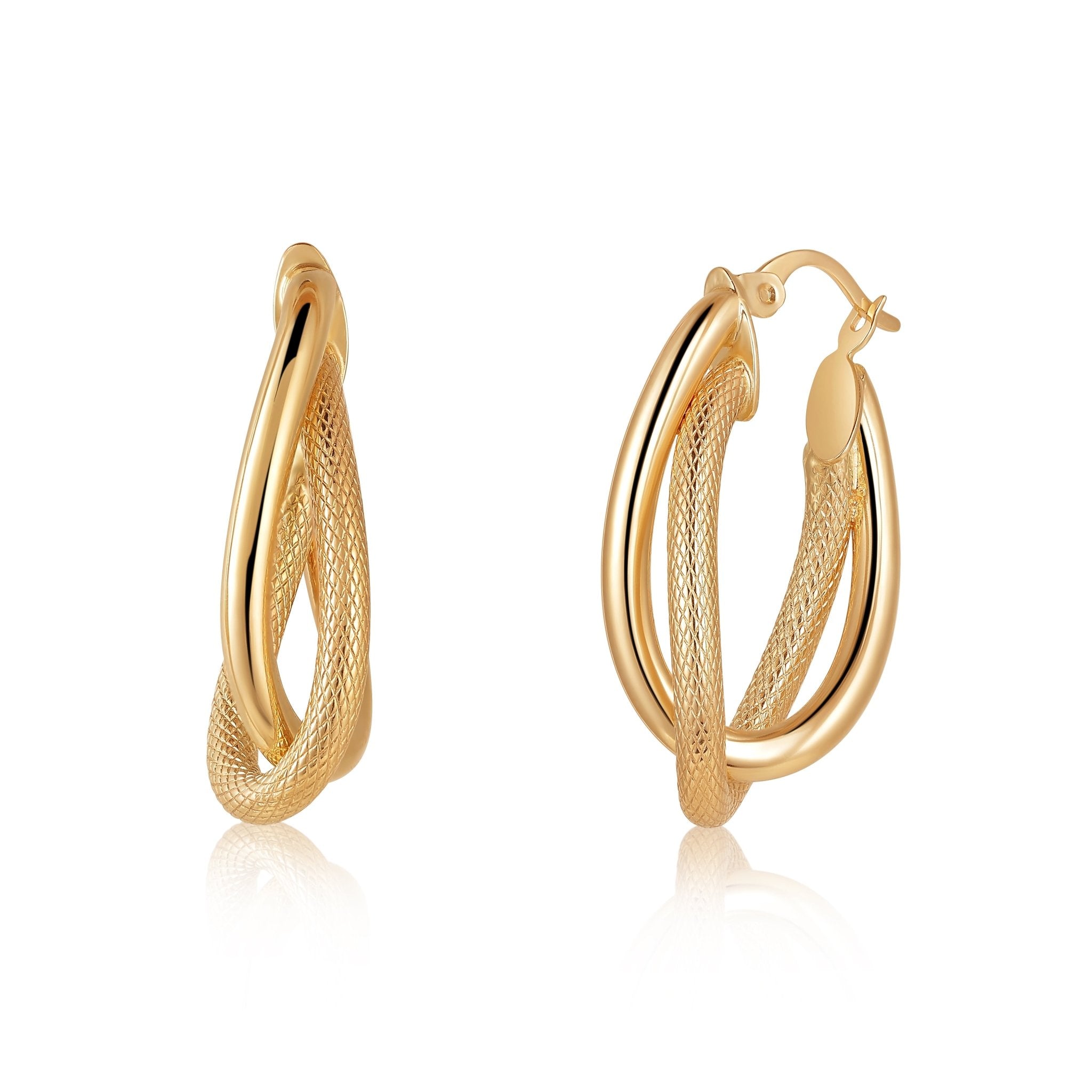
That same logic runs through the collection’s construction: pieces built from Italian craftsmanship traditions, gemstones sourced with ethical sourcing standards in mind, and solid gold throughout rather than a coating over something else. A daily-wear buyer fits the 14K Solid Gold Twisted Double Hoops with their textured, forgiving finish. A buyer wanting a refined, special-occasion piece fits the 18K Gold Huggie Hoop Earrings. A buyer wanting the classic middle ground fits the 14K Yellow Gold Classic Polished Hoop Earrings.
Does Weight Actually Change How Jewelry Feels to Wear?
Solid gold carries real, noticeable heft. A solid-gold hoop earring or bangle weighs meaningfully more than its vermeil equivalent, because every part of it is dense gold alloy rather than a thin layer over lighter sterling silver.
For some wearers, that weight is exactly the point. A substantial ring or a pair of hoops with real mass feels more like fine jewelry the moment you put it on, and that heft rarely bothers people wearing rings or bracelets, where a bit of weight reads as quality.
Earrings are where weight becomes a genuine comfort factor, not just a feeling. Large solid-gold hoops or statement pieces can pull on earlobes over a full day, especially for anyone with sensitive or stretched piercings. Vermeil’s lighter build, thin gold over hollow or lightweight silver, makes it a more comfortable pick for oversized earring styles you plan to wear for hours at a stretch.
The practical takeaway: for rings, bracelets, and pendants, solid gold’s weight is rarely an issue and often a selling point. For large or statement earrings worn all day, vermeil’s lighter build can genuinely be the more comfortable choice, independent of budget. Match the material to how the piece sits on your body, not just how it looks in a photo.
What Are the Environmental and Ethical Tradeoffs?
Neither material sidesteps the environmental footprint of gold mining, but they use different amounts of it. Solid gold jewelry contains more mined gold per piece than vermeil, since every gram of the object is gold alloy rather than a microns-thin layer over silver. That makes sourcing practices the more meaningful variable than the material choice itself.
Where you buy matters more than what you buy. Gold tied to responsible sourcing, traceable supply chains, and fair labor practices carries a different footprint than gold with no chain of custody at all, regardless of whether it ends up as vermeil or solid gold. Sterling silver, vermeil’s base metal, comes from mining too, though typically at a smaller environmental scale per piece than solid gold’s higher gold content.
The ethical case for vermeil sometimes gets framed as automatically “greener” because it uses less gold, but that framing skips the sourcing question entirely. A solid-gold piece made from responsibly sourced material can carry a cleaner story than a vermeil piece with untraceable gold, thin as that layer is. If ethical sourcing matters to your decision, ask about it directly, the same way you’d ask about microns or karat, rather than assuming the lighter-gold option is automatically the more responsible one.
The Conventional Advice Gets This Backwards
Most buying guides frame this decision as budget versus quality, cheap vermeil against expensive solid gold, and stop there. That framing misses the actual variable that determines satisfaction: how often you’ll wear the piece and whether you’ll follow basic care steps.
I’d argue the karat and micron numbers matter less than honesty about your own habits. Someone who wears a ring nonstop, showers in it, and never wipes it down will wear through even excellent vermeil fast, and that same neglect will dull solid gold’s shine too, just without the color loss. Someone disciplined about removing jewelry before water and chemicals can make a well-made vermeil piece last years longer than the “typical” range suggests.
Where I do think buyers get it wrong: treating all vermeil as interchangeable. The legal minimum of 2.5 microns is a floor, not a target, and pieces built well above that floor behave very differently than pieces built right at it. Ask the micron question before assuming any two vermeil pieces are equal. That single number tells you more than karat, price, or seller reputation combined.
— Antonio
Where to Find Solid-Gold Pieces Built for Everyday Wear
Some jewelers sell solid gold pieces with no plating layer to thin out or replate down the line, unlike vermeil alternatives that need periodic upkeep to stay looking new.
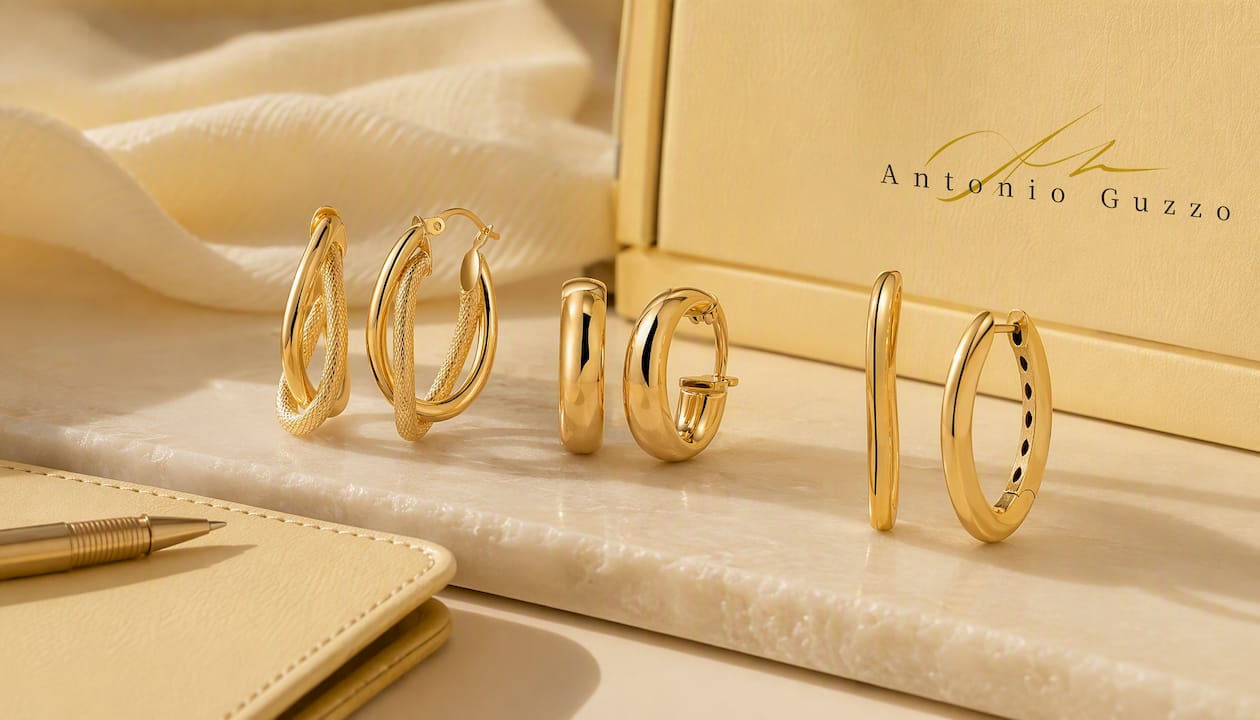
The 14K Solid Gold Twisted Double Hoops pair a textured, polished finish with 14K’s everyday resilience, a fit for anyone who wants hoops that survive daily wear without complaint. For a special-occasion or heirloom piece, the Classic Gold Huggie Hoop Earrings in 18K Gold deliver the richer tone that 18K gold carries, suited to a gift meant to be passed down. If you want the classic, wear-anywhere middle ground, the 14K Yellow Gold Classic Polished Hoop Earrings balance durability and everyday polish without the softness of higher karats.
If you’re weighing karat or construction questions specific to a piece you have in mind, reach out for guidance before you buy. Browse the full collection to see which solid-gold piece fits how you actually plan to wear it.
Sources
- Gold Plated vs. Vermeil vs. Solid Gold: A Primer | The Strategist
- Gold Vermeil vs Gold Plated vs Gold Filled | Gemiria
FAQ
How Long Will Gold Vermeil Last?
Daily-wear vermeil typically holds its gold color for one to three years, while occasional-wear pieces can look fresh for several years or longer, depending on care and the actual micron thickness of the gold layer.
Is 14K Gold Vermeil Real or Fake?
It’s real vermeil as long as it meets the FTC standard: sterling silver base, at least 10K gold, and a gold layer of at least 2.5 microns thick. Fourteen karat gold on that base qualifies legally and in practice.
Is 18K Gold Vermeil Better Than 14K Solid Gold?
Not necessarily. Vermeil’s surface layer will eventually thin regardless of karat, while 14K solid gold has no coating to wear through at all, making it the more durable choice for constant, long-term wear.
Does 14K Gold Vermeil Turn Green?
True vermeil rarely turns green because the sterling silver base sits under a genuine gold layer, not a nickel or copper alloy prone to that reaction; green discoloration usually points to lower-quality plated jewelry rather than legitimate vermeil.
What’s the Difference Between Vermeil and Gold Filled?
Vermeil uses a sterling silver core with a gold layer at least 2.5 microns thick, while gold filled uses a brass core with a thicker, mechanically bonded gold layer, giving gold filled slightly longer wear resistance in most cases.